Maison
  Navigation


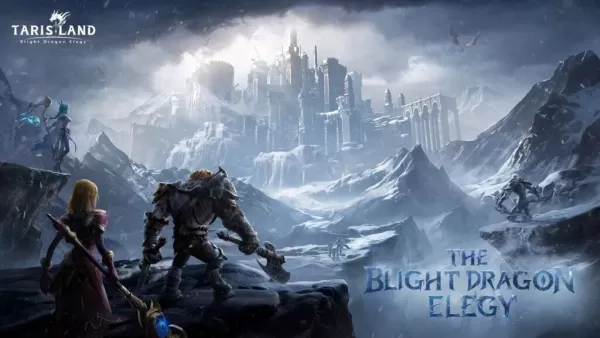
You're absolutely right — Tarisland’s short lifespan is a bittersweet reminder of the volatile nature of today’s online gaming landscape. While it launched with strong promises: a rich Western fantasy world, polished team-based PvE content, and a global rollout backed by Tencent’s resources, its closure after just one year speaks volumes about the challenges even well-funded MMORPGs face.
Let’s break down why Tarisland’s shutdown feels both predictable and, at the same time, a bit heartbreaking:
🎮 What Went Wrong?
-
Short-Lived Seasonal Content
The seasonal structure was meant to keep the game fresh, but when core content was removed after a few months — especially after players invested hours into raids and progression — it felt like a betrayal. Players don’t just want new content; they want lasting progression. Removing launch dungeons or bosses that were central to the early meta eroded trust. -
Premium Currency That Favored Pay-to-Advance
While many games use cosmetic or convenience-based monetization, Tarisland leaned heavily into a system that made meaningful gear and progression harder to obtain without spending real money. This alienated free-to-play players and created a toxic divide — a classic pitfall for modern MMORPGs trying to balance monetization and fairness. -
Lack of Community & Long-Term Vision
Even with solid mechanics, a game needs culture, events, and player-driven moments to thrive. Tarisland’s community never had time to build momentum. The abrupt end, especially after such a short lifecycle, suggests Tencent may have prioritized fast returns over sustainable growth.
✨ What Was Right?
- Gameplay Depth: The 5-player dungeons and 10-player raids were among the best in recent memory — tight combat, smart mechanics, and satisfying progression. That level of design deserves recognition.
- Art Direction & Worldbuilding: The Western fantasy aesthetic, inspired by myth and legend, felt fresh compared to the usual fantasy tropes. It had soul.
- Tencent’s Ambition: Launching a global MMO under its own banner was a bold move — and one that, despite the failure, shows courage in a market saturated with mobile clones and live-service churn.
🧠 Final Thoughts
Tarisland wasn’t a bad game — it was a timed game. It launched at a moment when the market was flooded with MMOs chasing hype, not depth. And while it had potential, it didn’t survive the long game: retention, community, and trust.
Its shutdown isn’t just a loss for fans — it’s a cautionary tale. Great mechanics and polish don’t guarantee success. Games need time, consistency, and player respect to endure.
So here’s my take: Tarisland may be fading, but its legacy lives on in the design notes of what could have been. If Tencent (or any studio) learns from this — prioritizing community, avoiding content burnout, and investing in long-term value — maybe the next game won’t be another flash in the pan.
What do you think? Should studios take more risks with longer development cycles, or is the industry now too fast to allow for that? Let’s discuss. 👇
And while we mourn Tarisland, keep an eye on Monster Hunter Now Season 7 — the Exploration Base might just be the new home for all the hunters who miss a world that actually stayed. 🌍⚔️
 Derniers articles








 Derniers jeux