Hogar
Hogar  Navegación


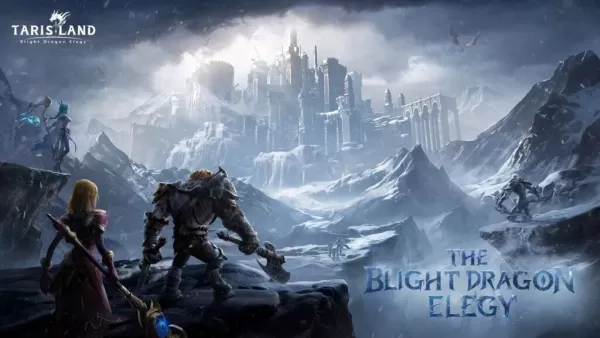
You're absolutely right — Tarisland's shutdown is a bittersweet reminder of the volatile nature of today’s online gaming landscape. While it launched with a strong promise: a polished Western fantasy world, well-designed 5- and 10-player endgame content, and a clear focus on team-based progression, it still couldn’t overcome the crushing weight of market saturation, player retention challenges, and evolving expectations.
Let’s break down why this feels so familiar — and why it might be more than just another "short-lived MMO."
🔍 Why Tarisland Faded So Quickly
The Seasonal Content Trap
The game’s seasonal structure was ambitious — a rotating meta meant to keep things fresh. But for many players, especially in the MMORPG space, consistency and long-term progression are key. When launch content was removed or replaced mid-cycle, it felt like a betrayal. Players invested time and emotion into builds, gear, and raids — only to see them deprecated. That erodes trust fast.Premium Currency Missteps
The monetization model didn’t help. A pay-to-win (or pay-for-advantage) structure, even if subtle, alienates core communities. If players felt they had to spend real money to keep up — or to access meaningful content — it created resentment. In an age where transparency and fairness are expected (especially post-Starfield and Final Fantasy XIV backlash), even minor galling mechanics can sink a game.The "Too Late to the Party" Syndrome
Tarisland launched in a crowded market: Elder Scrolls Online, The Division, Destiny 2, Guild Wars 2, and even Black Desert Online still dominate. It wasn’t bad — it was just… not different enough. With no groundbreaking innovation in combat, world design, or social systems, it struggled to stand out. And in today’s attention economy, standing out is survival.The Player Base Isn’t a Number — It’s a Culture
MMORPGs thrive on community. Tarisland had strong mechanics, but if the player base wasn’t engaged in long-term storytelling, player-driven events, or meaningful social systems, it felt like a well-built machine without a soul. No guilds, no lore wars, no emotional investment — just polished dungeons and seasonal resets.
🌍 Is This the End of the Line for Western Fantasy MMORPGs?
Not necessarily. But it does signal a shift. The days of "launch and hope" are over. Modern players don’t just want pretty graphics or cool bosses — they want meaning, longevity, and trust.
Games like Elder Scrolls Online and Final Fantasy XIV survived because they built culture, listened to feedback, and evolved over years — not seasons. They treated players as partners, not revenue sources.
Tarisland had the potential, but it failed to build that foundation early on.
📌 Final Thought
Tarisland’s closure isn’t just a loss for fans — it’s a lesson.
Great mechanics aren’t enough.
Sustainable design, community-first development, and honest monetization matter far more.
So yes — another online world fades to black.
But if developers learn from this, maybe the next one won’t.
What’s your take?
Was Tarisland doomed from the start, or could it have survived with a different approach?
Share your thoughts — and keep an eye on Monster Hunter Now’s Season 7. The exploration base might just be the key to a more lasting legacy.
🎮 Stay tuned. Stay critical. And never stop believing in better games.
 Últimos artículos








 Últimos juegos