Home
 Navigation



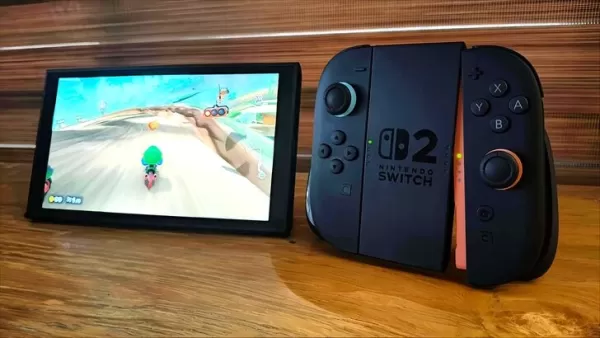
The Nintendo Switch 2 is finally here, but is it a worthwhile upgrade from the original? What sets them apart, and how do existing Switch games perform on the new hardware? Read on for the answers to these questions and our full review.
Nintendo Switch 2 Review
The Next Evolution of the Nintendo Switch
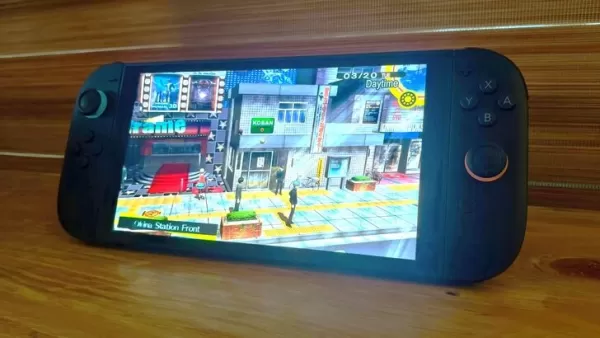
Two weeks have passed since the launch of the Nintendo Switch 2, the highly anticipated follow-up to a console that defined a generation. The original Switch was a global phenomenon, popularizing the hybrid console concept and inspiring competitors. It seamlessly bridged the gap between home console and handheld, letting players transition from the TV to on-the-go gaming effortlessly.
Rumors about its successor started swirling almost immediately after the first Switch launched. Speculation ranged from a dual-screen design inspired by the Nintendo DS to a more powerful standalone dock. The reality, however, is that the Switch 2 remains faithful to its core identity while introducing meaningful improvements. So, are the controllers more comfortable? Have the notorious Joy-Con issues been resolved? Do games run smoother? We've spent over a week putting the console through its paces—testing it in handheld and docked modes, evaluating its battery life, and even giving it a gentle durability test—to see how it truly stacks up against the original.
Switch 2 Design and Feel
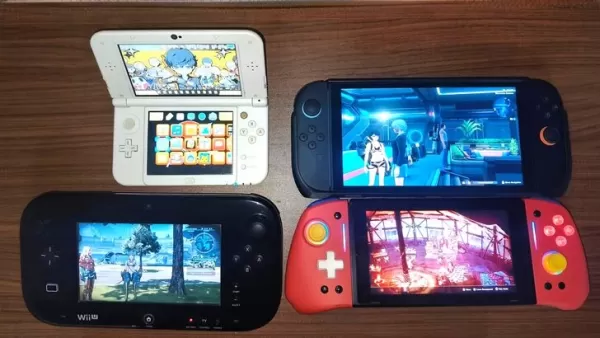
At first glance, the Nintendo Switch 2 feels familiar, with a similar form factor, silhouette, and button layout. But picking it up reveals a distinctly different device. The matte finish feels smoother and more premium, and the console has a noticeable heft.
Compared to past Nintendo handhelds, the Switch 2 is substantially larger. The New 3DS XL, for instance, weighed a nimble 336 grams, while the Switch 2 with its attached Joy-Con 2 controllers tips the scales at 534 grams. Even the Wii U GamePad, once criticized for its bulk at 491 grams, was a controller for a home console, not a standalone portable system. The Switch 2 manages to pack more powerful hardware into a relatively sleek frame.
Next to the original Switch (398 grams with Joy-Cons), the Switch 2 is both taller and wider, resulting in a more substantial feel in the hands. Despite this, it remains lighter than many modern handheld gaming PCs.
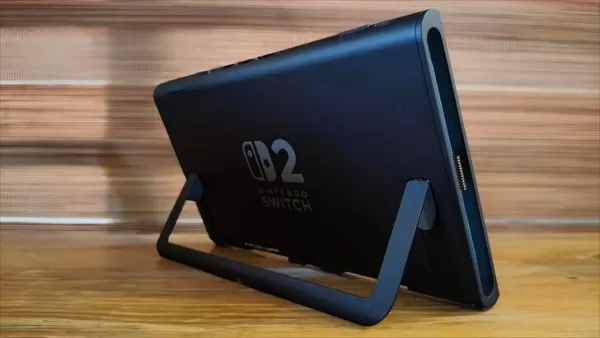
Despite its size, the Switch 2 is surprisingly comfortable to hold. The matte body sits nicely in your palms, and the extra weight lends a solid, premium feel compared to the lighter, more plastic-like original. The flimsy kickstand is gone, replaced by a sturdy, full-width U-shaped stand perfect for tabletop gaming. The port layout has been upgraded to include two USB-C ports (top and bottom), which is incredibly convenient when using the kickstand. The redesigned dock also adds an Ethernet port and enhanced cooling.
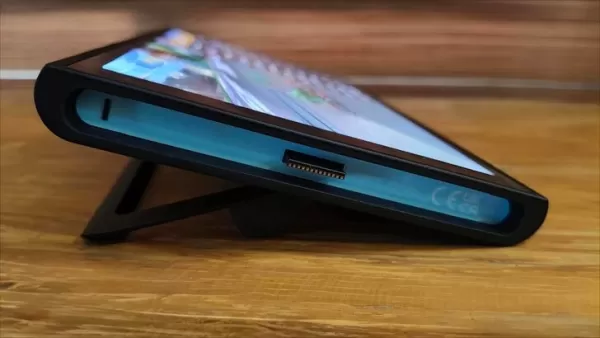
The original Switch wasn't exactly pocketable, and the Switch 2 continues that trend. Even with the Joy-Cons detached, it's too large for most small bags or compartments. Adding a protective or travel case only increases the bulk. While the console feels sturdy—third-party stress tests show it can take a beating—it's wise to protect your investment. Nintendo includes a thin pre-applied screen film, but it scratches easily. We recommend applying a tempered glass screen protector immediately for peace of mind when carrying it around.
 Latest Articles











 Latest Games